
How to Spot Authentic Corteiz Joggers

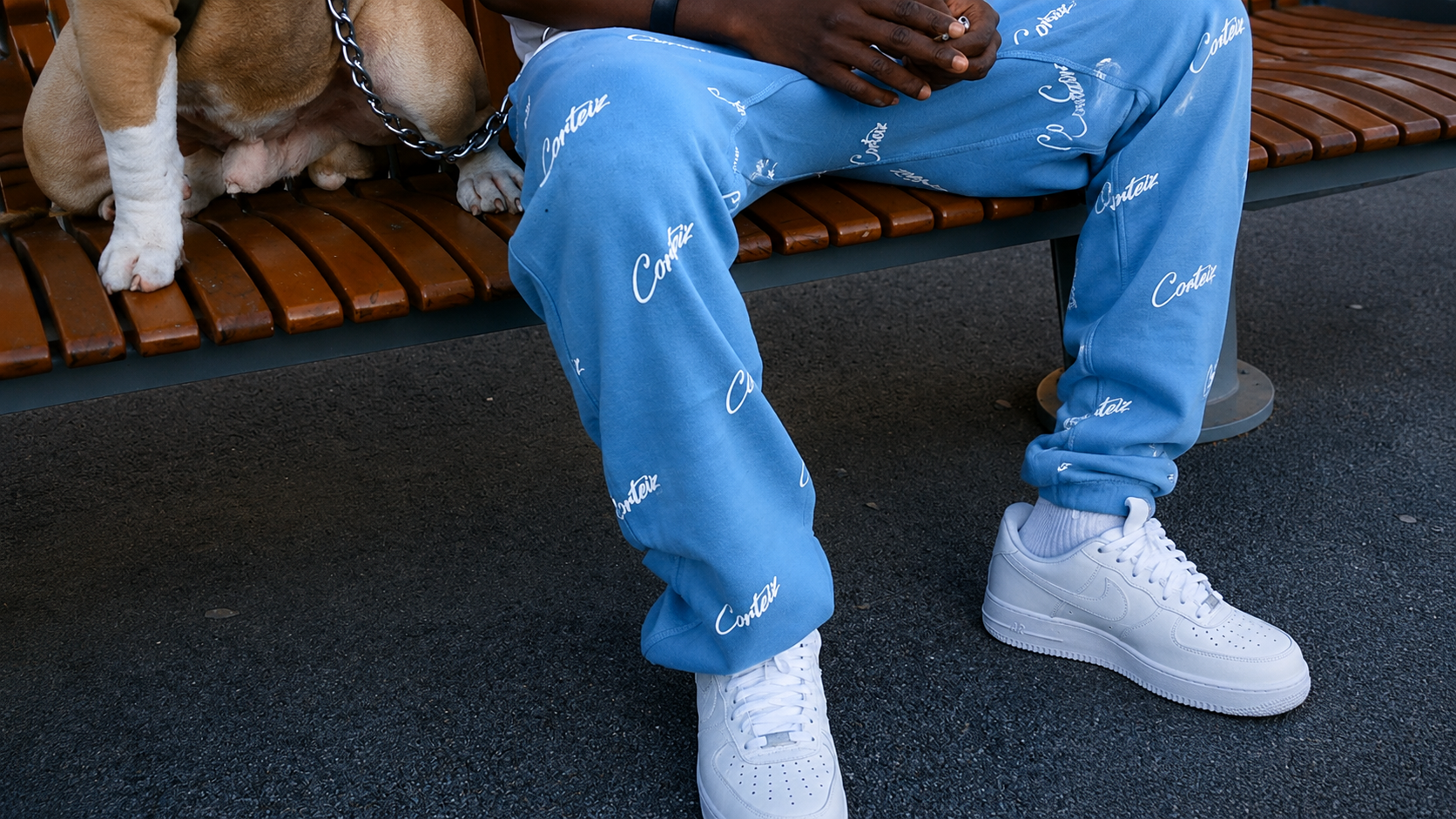
As demand for Corteiz pieces has grown, so has the volume of counterfeit products circulating across resale marketplaces and unofficial retailers. Knowing how to distinguish a genuine pair from a convincing fake protects both your money and the quality of what ends up in your wardrobe. Here’s a detailed breakdown of what to check before buying.
Stitching Quality
One of the most reliable indicators of authenticity is stitching quality, particularly in areas that are harder for counterfeiters to replicate precisely.
Waistband stitching: Authentic pairs feature clean, even stitching around the entire waistband, with consistent thread tension throughout. Loose threads, visibly uneven spacing, or puckered fabric along this seam are common signs of a counterfeit product.
Ankle cuff stitching: Check the ribbed cuffs at the ankle for the same consistency — genuine pieces have tight, uniform stitching, while counterfeits often show sloppier construction in this detail-heavy area.
Overall seam consistency: Run your fingers along the inseam and side seams. Authentic construction should feel flat and consistent, without bunching or irregular stitch spacing.
Fabric Weight and Feel
As covered in our fabric guide, genuine Corteiz Joggers use a distinctly heavier cotton-blend fleece. This is one of the harder qualities for counterfeiters to replicate accurately, since matching fabric weight requires sourcing similar materials, which adds cost that counterfeit operations typically try to avoid.
Warning sign: If a pair feels notably thin, scratchy, or lightweight compared to what’s described in official product listings, this is a strong indicator the item isn’t genuine, regardless of how accurate the branding and design might appear visually.
Branding and Logo Details
Font consistency: Compare the logo font on the item against verified official product images. Counterfeit logos frequently show subtle font differences — slightly different letter spacing, weight, or proportions that don’t match the authentic branding exactly.
Print or embroidery quality: Genuine branding, whether printed or embroidered, should have crisp, clean edges. Blurry printing, uneven embroidery stitching, or visible thread inconsistencies are common counterfeit red flags.
Logo placement: Compare the exact position and sizing of the logo against verified authentic examples. Even small placement discrepancies can indicate a counterfeit production run using inaccurate templates.
Verifying Your Purchase Source
The single most reliable way to guarantee authenticity is controlling where you buy from in the first place, rather than trying to verify a product after the fact.
Official website or verified authorized retailers: Purchasing directly from the official source, or from retailers explicitly authorized to sell genuine stock, removes almost all authenticity risk.
Third-party marketplace listings: Exercise significant caution here. While legitimate resellers do exist, marketplaces are also where counterfeit products are most commonly listed, often using stolen official product photography to appear legitimate.
Unusually low pricing: If a listing offers a price dramatically below standard retail — especially for a colorway or item that’s known to be in high demand — treat this as a strong warning sign rather than a lucky find.
Packaging and Labeling
Consistent branded packaging: Genuine orders typically arrive with consistent, professional branded packaging and care labels. Missing labels, generic packaging, or inconsistent labeling compared to previous verified orders can indicate a non-genuine product.
Care label accuracy: Check that fabric composition and care instructions printed on the label match what’s officially listed for the product. Discrepancies here — such as listing a different fabric blend than advertised — are a red flag.
What to Do If You Suspect a Counterfeit
If you’ve already received an item you suspect isn’t genuine, compare it directly against the checkpoints above — stitching, fabric weight, branding detail, and packaging. If purchased through a marketplace with buyer protection, most platforms allow you to report suspected counterfeit goods and pursue a refund. Going forward, sticking to official or clearly verified authorized retailers removes the guesswork entirely and ensures you’re getting the fabric quality and construction standard the brand is actually known for.
Final Advice
Authenticity verification ultimately comes down to a combination of careful visual inspection and, most importantly, controlling your purchase source from the outset. When in doubt, buying from the official site or a clearly verified retailer remains the safest and most reliable way to guarantee you’re getting a genuine pair.